
Port security regulations have gotten complicated with all the ISPS code requirements, security levels, and compliance audits flying around. As someone who’s tracked maritime security since 9/11 reshaped the entire industry, I learned everything there is to know about how the attacks transformed shipping operations worldwide. Today, I will share it all with you.
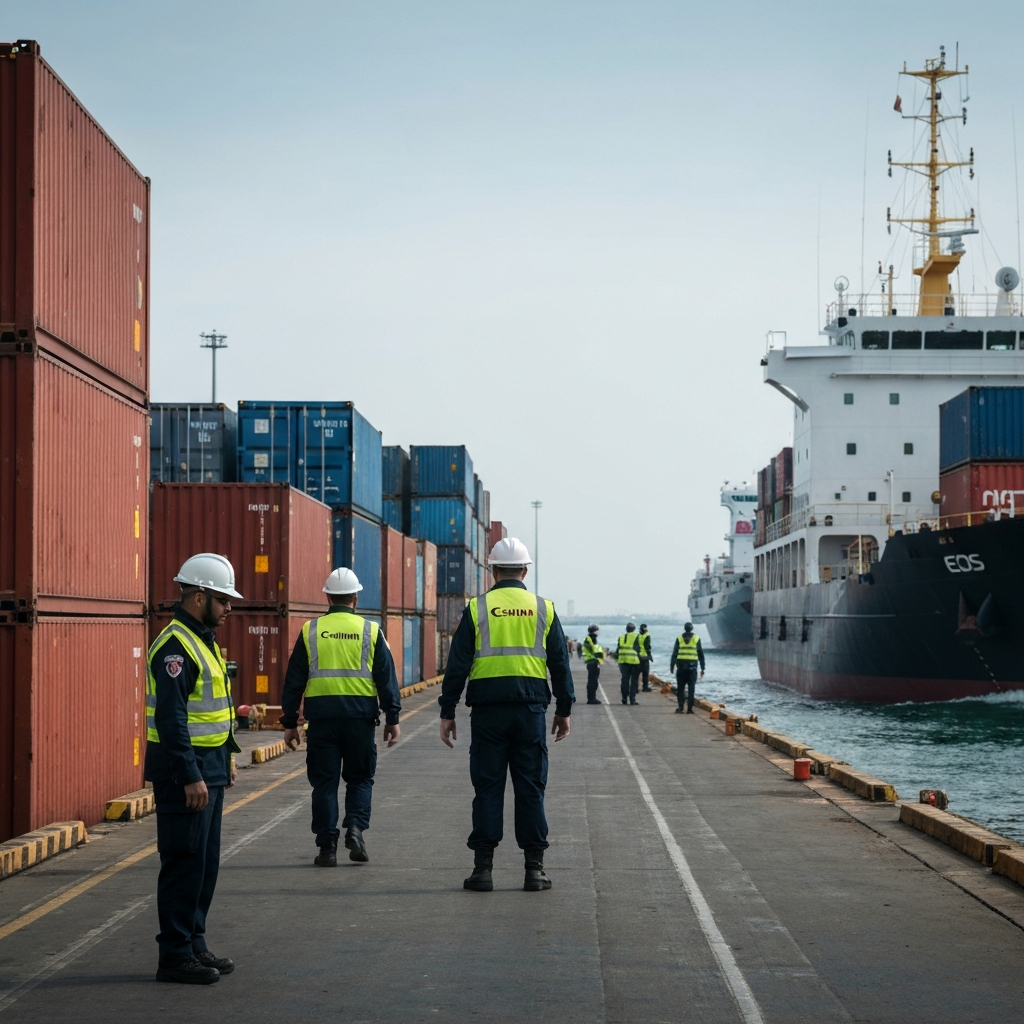
The Framework That Changed Everything
The terrorist attacks of September 11, 2001 didnt just transform aviation security — they revolutionized how ports worldwide approach safety. The International Ship and Port Facility Security (ISPS) Code emerged as the maritime industrys comprehensive response to a new era of global threats.
Adopted by the IMO in December 2002 and entering force in July 2004, the ISPS Code fundamentally changed how ships and ports operate. This mandatory security framework applies to over 150 nations and affects more than 50,000 ships and 10,000 port facilities worldwide. Probably should have led with those numbers — the scope is enormous.
Understanding the ISPS Code Structure
The ISPS Code consists of two parts: mandatory provisions (Part A) and guidance on implementation (Part B). Part A establishes detailed security requirements for governments, port authorities, and shipping companies. These requirements arent suggestions — theyre legally binding obligations under the SOLAS Convention.
Part B provides recommendations on how to meet Part A requirements. While not binding, most port facilities follow Part B guidance closely to ensure full compliance and demonstrate due diligence.
Three Security Levels Define Operations
The ISPS Code operates on a three-tier security level system:
Security Level 1: Normal operations where standard security measures apply. This is the baseline maintained during routine port operations.
Security Level 2: Activates when theres heightened risk. Additional protective measures come into play, including increased frequency of searches, more stringent access controls, and enhanced monitoring of restricted areas.
Security Level 3: Applies when a security incident is probable or imminent. Ships and port facilities implement specific protective measures, which may include suspending operations, restricting access entirely, or deploying security personnel to strategic locations.
Thats what makes the system flexible — it scales response to actual threat levels rather than maintaining constant high alert.
Ship Security Requirements
Ships covered by ISPS must carry a valid International Ship Security Certificate (ISSC) issued by their flag state. To obtain this certificate, ships must develop and implement a Ship Security Plan (SSP) approved by the administration.
Every ISPS-compliant vessel must designate a Ship Security Officer (SSO) responsible for implementing and maintaining the security plan. The SSO conducts regular security inspections, coordinates security drills, and serves as the primary contact for port facility security officers.
The framework created an entirely new layer of maritime operations that didnt exist before 2001. That reality isnt going away.



Stay in the loop
Get the latest maritimematterstoday updates delivered to your inbox.