Red Sea shipping has gotten complicated with all the Houthi attacks, insurance concerns, and rerouting decisions flying around. As someone who’s tracked maritime security for years, I learned everything there is to know about why container ships are abandoning the traditional Suez Canal route. Today, I will share it all with you.
This is the biggest rerouting of global trade since the Suez Canal opened in 1869. Ships are going around Africa because sailing through the Red Sea has become genuinely dangerous.
The Security Situation
Since November 2023, Yemens Houthi rebels have launched over 100 attacks on commercial ships transiting the Red Sea and Gulf of Aden. Using drones, missiles, and small boats, the Iran-backed group claims to target vessels with Israeli connections, though many attacked ships have no obvious link to Israel. Probably should have led with this — the attacks are largely indiscriminate.
Several ships have been hit, with the cargo vessel Rubymar sinking after a missile strike. Crews have been injured, and the psychological toll on seafarers transiting these waters has been significant.
The Cape of Good Hope Alternative
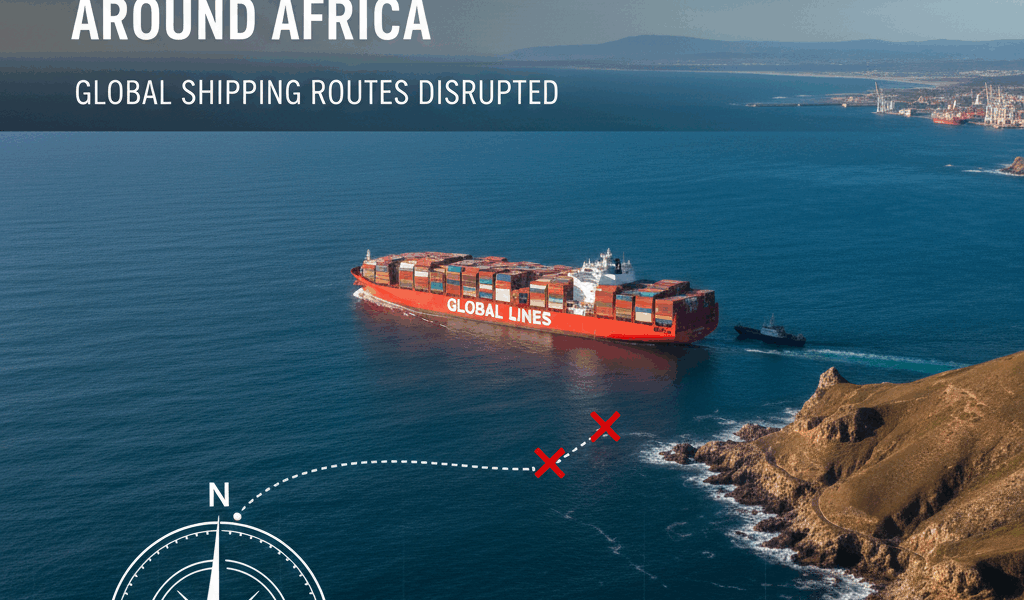
Major container lines including Maersk, MSC, Hapag-Lloyd, and CMA CGM have rerouted vessels around Africas Cape of Good Hope. This adds approximately 3,500 nautical miles and 10-14 days to voyages between Asia and Europe.
The longer route increases fuel consumption by 40%, adding hundreds of thousands of dollars in bunker costs per voyage. Ships also require more crew provisions and face additional wear on engines and hull. Thats what makes this a genuine crisis rather than a temporary disruption — the costs accumulate voyage after voyage.
Freight Rate Impacts
Spot container rates from Asia to Europe have surged over 300% from pre-crisis levels. A 40-foot container that cost $1,500 to ship in October 2023 now costs $6,000 or more. These increases inevitably flow through to consumer prices.
The rate spike has been a windfall for container lines that locked in favorable charter rates, while shippers with spot market exposure face budget-busting logistics costs.
Naval Response
The US and UK have conducted airstrikes on Houthi positions in Yemen, attempting to degrade the groups missile and drone capabilities. A multinational naval task force patrols the Red Sea, but the vast area makes comprehensive protection impossible.
Some shipping lines have attempted Red Sea transits with naval escort, but most have concluded the risk isnt worth it when the Cape route, while expensive, is reliably safe.