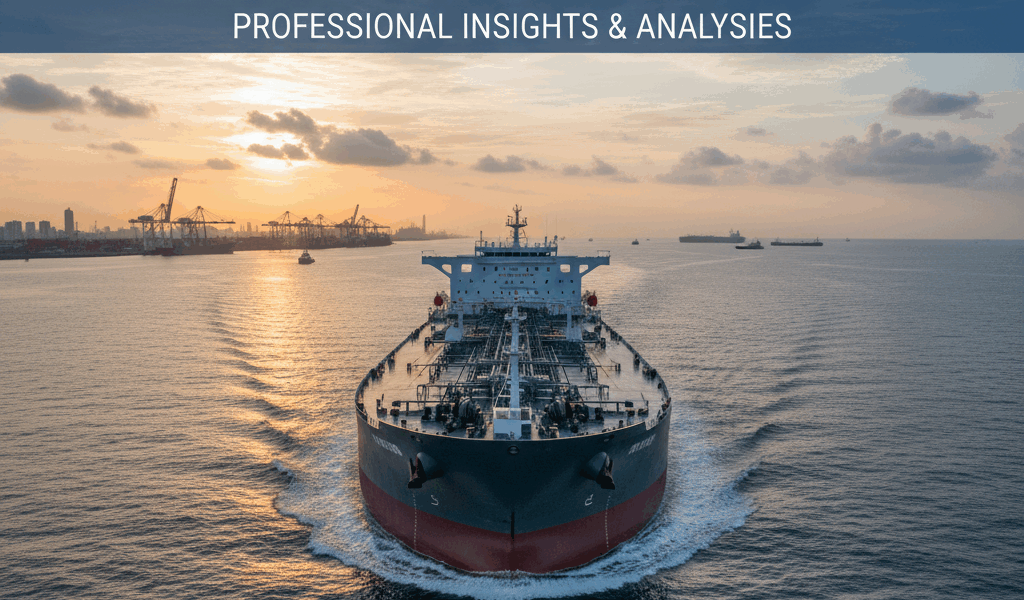
Tanker markets have gotten complicated with all the geopolitical shifts and supply dynamics flying around. As someone who’s tracked energy transportation for years, I learned everything there is to know about the fundamentals driving this sector. Today, I will share it all with you.
Tanker Market Fundamentals

The tanker market operates on supply and demand fundamentals that differ markedly from other shipping segments. Limited orderbook, aging fleet, and restructured trade flows have created conditions that support rates even as broader economic concerns persist. Understanding these dynamics is essential for anyone tracking energy transportation.
Fleet Supply Constraints
Probably should have led with this section, honestly. Years of restrained ordering have left the tanker fleet aging. The orderbook for VLCCs (Very Large Crude Carriers) represents a historically low percentage of the existing fleet, meaning deliveries barely offset scrapping. This supply discipline, driven by uncertain regulatory environment and volatile earnings during the ordering period, now supports rates.
Suezmax and Aframax segments show similar patterns, though product tankers have seen somewhat stronger ordering as chemical and clean petroleum products trade has grown.
Trade Flow Restructuring
Global crude trade patterns have shifted significantly since 2022. European refiners now source crude from longer-haul origins, increasing ton-mile demand even when volume remains stable. Atlantic basin movements have increased while some traditional flows have been redirected.
That’s what makes the current tanker market so interesting. This restructuring has benefited tanker demand, as the same volume of crude requires more shipping capacity when moved over greater distances. The effect has been particularly pronounced for Aframax and Suezmax vessels serving European markets.
Rate Environment
Spot rates have generally remained supportive, though volatility persists. Seasonal patterns drive some variation, with winter heating oil demand and refinery maintenance schedules affecting charter activity.
Time charter rates have strengthened as owners resist locking in capacity at levels below what spot markets may offer. This has pushed period rates higher, creating opportunities for owners with vessels available for longer commitments.
Sanctions and Compliance
Sanctions regimes have complicated tanker operations, creating parallel markets with different risk profiles and pricing. Compliant operators serving mainstream customers command premium rates, while vessels willing to operate in sanctioned trades face different economics and risks.
This bifurcation affects fleet dynamics, as some older vessels transition to trades that mainstream owners avoid. The implications for vessel values, insurance, and future employment remain subjects of ongoing assessment.
Looking Forward
The tanker market outlook depends on continued supply discipline, trade pattern evolution, and broader energy market developments. Limited new ordering suggests supply will remain constrained, but demand depends on factors outside shipowners’ control—refinery configurations, energy policy decisions, and economic growth trajectories that shape how crude and products move around the world.