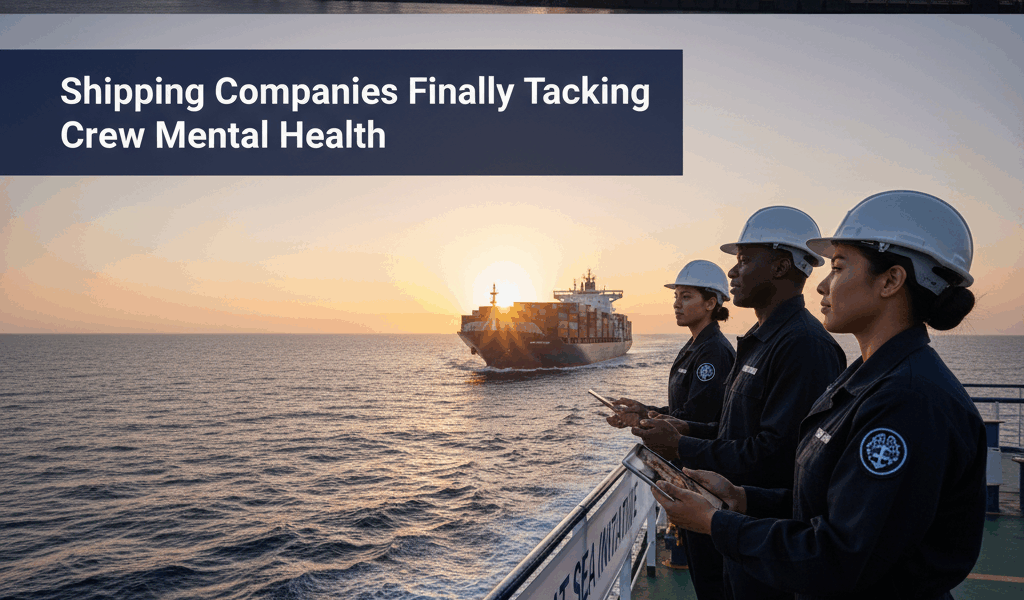
Crew mental health has gotten complicated with all the new wellness programs, regulatory changes, and post-COVID awareness initiatives flying around. As someone who’s followed maritime labor issues for years, I learned everything there is to know about what the industry is actually doing about seafarer mental health. Today, I will share it all with you.
For decades, shipping treated crew mental health as something that happened ashore. If a seafarer struggled with depression, anxiety, or the isolation of long contracts, that was a personal problem to manage between voyages. The industry is finally reckoning with what that approach cost — in lives, in safety incidents, and in experienced mariners who simply walked away.
Why This Took So Long
Shipping has always selected for people comfortable with separation. Multi-month voyages, limited communication with home, and close quarters with strangers — the work attracts a specific personality type. Many senior officers genuinely dont understand why isolation bothers younger crew members who grew up with constant connectivity.
The economic pressures didnt help. Smaller crews, faster turnarounds, and automated systems reduced the social fabric that once existed aboard vessels. Crews that once numbered 40 might now sail with 18. Fewer people means less redundancy, less mentorship, and less camaraderie.
COVID-19 finally made the problem impossible to ignore. Probably should have led with this section, honestly. When crew change became nearly impossible and contracts stretched to 18 months or longer, the human cost became visible. Suicides spiked. Experienced officers quit rather than face another extended voyage. The industry had to acknowledge what seafarers had known for years.
What Companies Are Actually Doing
The response varies dramatically by operator. Some major shipping companies now employ dedicated mental health officers who sail with crews on rotation. These arent counselors brought in for emergencies — theyre trained professionals embedded in vessel operations.
Satellite internet access has expanded on many vessels, giving crew reliable ways to video call home. The bandwidth costs money, but companies are finding that connection to family reduces turnover and improves crew performance. Thats what makes the internet investment worthwhile — its retention, not charity.
Some operators restructured watch schedules to reduce fatigue accumulation. The traditional 6-hours-on, 6-hours-off pattern that dominated deck operations for generations is giving way to schedules that allow actual sleep cycles.
Training Changes
New officer training increasingly includes mental health awareness modules. The goal isnt turning officers into therapists — its helping them recognize when crew members are struggling and knowing what resources exist.
Suicide prevention training has become standard at major maritime academies. The focus is on recognizing warning signs, having direct conversations, and connecting struggling individuals with professional support before situations escalate.
These programs face resistance from some quarters. Old-school mariners argue that the profession has always been tough and that coddling creates weakness. The counter-evidence shows that early intervention prevents incidents and retains experienced crew.
Regulatory Movement
The Maritime Labour Convention updates include expanded provisions for crew welfare. Flag states are beginning to audit how operators address psychological health, not just physical safety.
Some port states now include mental health questions in crew interviews during inspections. If multiple crew members report similar concerns about pressure or isolation, inspectors can flag vessels for additional scrutiny.
Industry groups like the International Seafarers Welfare and Assistance Network (ISWAN) have developed crisis hotlines and online resources specifically for mariners. Usage of these services has increased significantly, suggesting that awareness is reaching crews.
Whats Still Missing
Progress is uneven. Major European and Asian operators often lead on crew welfare, while smaller regional players may still operate under older assumptions. The economics of shipping mean that cost pressure never disappears, and wellness programs are easier to cut than maintenance budgets.
Shore leave has become increasingly difficult in many ports. Security restrictions, short port calls, and visa complications mean crews might complete entire contracts without stepping ashore anywhere. That isolation compounds the challenges of lengthy voyages.
The industry still lacks consistent standards for what acceptable mental health support looks like. Some vessels have full-time welfare officers while others offer nothing beyond a poster with a hotline number. Seafarers themselves often dont know what support they should expect.
For Seafarers and Their Families
If you sail, know that asking for help is not weakness. The resources that exist today didnt exist a decade ago, and companies are increasingly evaluated on how they treat crew welfare. Using available support can be the difference between completing a career and abandoning one.
If someone you love sails, understand that regular communication matters more than you might realize. Those video calls might seem routine, but they anchor people to life beyond the vessel. When communication patterns change suddenly, pay attention.