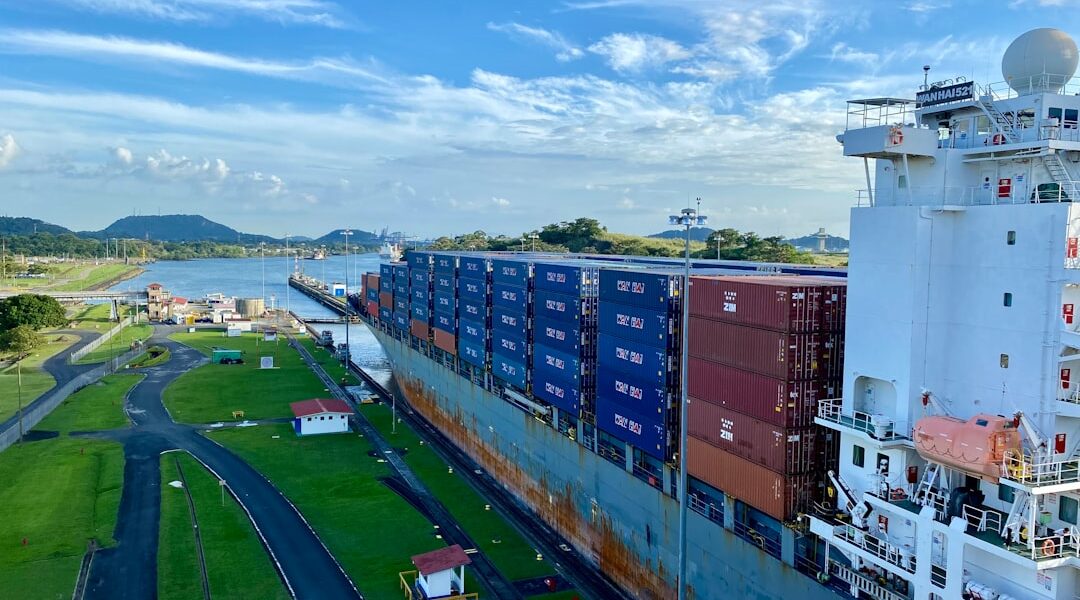
Panama Canal transit planning has gotten complicated with all the drought news, booking changes, and infrastructure announcements flying around. As someone who’s tracked this waterway through the worst restrictions in its modern history, I learned everything there is to know about what shippers actually need to understand heading into 2026. Today, I will share it all with you.
Where Things Stand Right Now
The good news first: water levels are back. Administrator Ricaurte Vasquez confirmed the Canal is operating at full capacity again after the nightmare drought period of 2023-2024. No more headlines about vessels getting stuck or daily transit caps causing week-long delays.
But heres the thing nobody mentions in the press releases. Transit volumes still havent recovered to pre-drought numbers. The Canal averaged 13,759 ship transits annually from 2010 to 2023. During the drought? That cratered to 11,290. By September 2025, we climbed back to 13,404 vessels. Better, but not whole.
The ACP is playing it careful with daily slots too. Plans call for 27 vessels per day by late March 2026, up from 24 now. That’s still well under the 36-38 ships per day they handled before everything went sideways. Probably should have led with this section, honestly.
Traffic Recovery Varies By Sector
Not every shipping segment bounced back equally. LNG carriers got hammered hardest — transits dropped 66% during peak restrictions. Most operators rerouted around the Cape of Good Hope and frankly, many never came back. The certainty of a longer route beats gambling on slot availability.
Dry bulk has recovered better, though transits still run 22% below October 2022-June 2023 levels. Container shipping proved most resilient. The booking system gives container operators predictability that tramp shipping cant match.
That’s what makes the ACP’s $5.7 billion yearly revenue impressive — they maintained financial strength even through the crisis.
The New Booking System Changes Everything
If you haven’t looked at LoTSA 2.0 yet, stop reading and go review it. The upgraded Long Term Slot Allocation program restructures how advance bookings work:
- Two cycles instead of one: Six-month booking windows replace the old 12-month horizon. First cycle runs January 4 through July 4, 2026.
- Fewer auction slots: Daily auctioned slots dropped from 4 to 3 on average. Competition for premium spots intensifies.
- Tiered packages: Different slot tiers target specific vessel types and scheduling certainty levels.
- Green ship priority: Weekly reservations now exist for lower-emission Neopanamax vessels. The ACP is betting on the energy transition.
Book 365 days out. Seriously. The early window protects against schedule chaos and auction premiums that spike when slots get scarce.
Draft Restrictions Eased But Not Gone
Remember when they slashed maximum draft so severely that vessels had to lighten cargo or skip the Canal entirely? Those days are mostly behind us, but draft management isnt something you can ignore.
The Canal Authority watches Gatun Lake levels like hawks watch field mice. Late dry season still presents the highest risk window. If your schedule puts a deep-draft vessel through Panama during March or April, build in contingency time.
High cargo demand weeks also squeeze last-minute slots. The residual risk clusters exactly where youd expect — tight capacity periods when everyone needs through simultaneously.
Alternative Routes Worth Knowing
The 2023-2024 crisis forced everyone to think harder about backup options:
- Cape of Good Hope: Adds 3,000-4,000 nautical miles but offers complete predictability. Many LNG operators permanently switched and stayed switched.
- Suez Canal: Asia-Europe traffic has options despite Red Sea security concerns.
- Intermodal land bridge: West Coast ports plus rail compete for Asia-East Coast cargo.
The operators who kept Cape routing even after Panama normalized made a deliberate choice. They’re trading voyage cost for scheduling certainty, and for some trades that math works.
Infrastructure Projects on the Horizon
The ACP isn’t sitting still. The Rio Indio Reservoir Project represents their biggest commitment to long-term reliability — up to $1.6 billion for new freshwater capacity feeding Gatun Lake. The project doubles as drinking water supply for over half of Panama’s population.
Additional plans include a dam in the Rio Indio basin with tunnels feeding the lake directly, plus a land bridge for natural gas liquid pipelines.
Heres what matters for your planning: none of this finishes before the next El Nino, expected around 2027. Water management worries will return during the next extreme weather cycle.
What You Should Actually Do
Five things, in order of importance:
- Book early. Use that 365-day window. Peak season slots go fast and auction premiums hurt.
- Watch the advisories. ACP publishes water level and draft updates regularly. Read them.
- Build schedule buffers. Late dry season transits need contingency time baked in.
- Know your alternatives. Cape routing or intermodal backup plans should exist before you need them.
- Plan beyond 2026. El Nino 2027 arrives before infrastructure fixes. Prepare accordingly.
The Panama Canal has stabilized significantly since the crisis, but the lessons from 2023-2024 permanently changed how smart operators approach this route. The waterway works again. That doesn’t mean it works the way it used to.
For the latest official advisories and booking information, visit the Panama Canal Authority Maritime Services portal.


Stay in the loop
Get the latest wildlife research and conservation news delivered to your inbox.