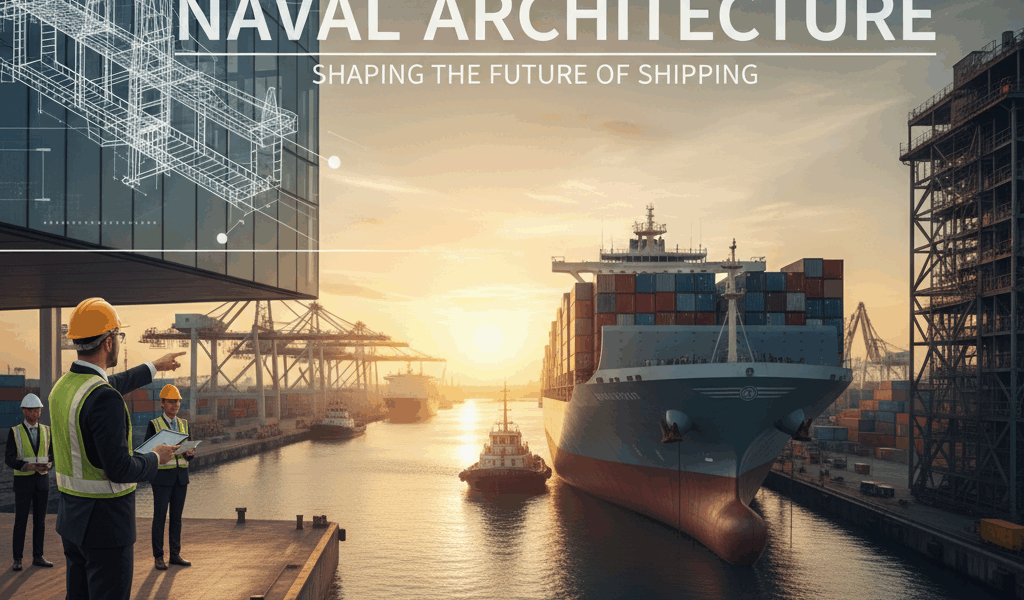
Naval architecture has gotten complicated with all the efficiency requirements and design innovations flying around. As someone who’s followed ship design evolution for years, I learned everything there is to know about the science behind modern vessels. Today, I will share it all with you.
The Science of Ship Design

Naval architecture sits at the intersection of engineering, physics, and maritime tradition. The discipline encompasses everything from hull form optimization to structural analysis, from stability calculations to propulsion system integration. As ships grow larger and environmental regulations tighten, naval architects face increasingly complex challenges that require balancing competing demands.
Hull Form Evolution
Probably should have led with this section, honestly. Modern hull design leverages computational fluid dynamics (CFD) to optimize shapes that would have been impossible to develop through traditional tank testing alone. Designers can now evaluate thousands of variations, refining bow profiles, waterline shapes, and stern configurations to minimize resistance across a range of operating conditions.
The trend toward fuel efficiency has produced visibly different ship profiles. Bulbous bows have grown more prominent, though recent research suggests smaller or eliminated bulbs may perform better for slow-steaming vessels. Stern shapes increasingly feature asymmetric designs or appendages that improve flow to the propeller.
Structural Design Advances

Ship structures must withstand enormous forces—wave impacts, cargo loads, and the stresses of flexing through a seaway. Finite element analysis allows designers to optimize scantlings, reducing steel weight while maintaining required strength margins.
That’s what makes modern structural engineering so impressive. High-tensile steels enable lighter structures, but come with challenges. Welding requirements are more stringent, and fatigue behavior differs from conventional steel. Classification societies have updated rules to address these materials.
Stability and Safety
Modern stability requirements reflect lessons learned from casualties. Probabilistic damage stability calculations assess survivability across a range of flooding scenarios, rather than deterministic standards that may miss critical combinations.
For passenger vessels, safe return to port requirements ensure ships can reach shelter even after serious casualties. This has driven design changes including redundant propulsion, enhanced fire protection, and improved watertight subdivision.
The Integration Challenge
Perhaps the greatest challenge facing naval architects today is integrating new propulsion systems while maintaining the efficiency and cargo capacity that make ships commercially viable. LNG fuel tanks consume significant volume. Battery systems add weight. Hydrogen storage requires extensive safety provisions.
Successful designs balance these requirements through careful optimization, accepting trade-offs where necessary while maximizing cargo capability within the constraints imposed by fuel choice and environmental performance requirements.
The naval architects designing ships today are shaping maritime commerce for the next quarter century. Their choices about hull form, structure, and systems integration will determine whether owners operate profitable vessels or struggle with inefficient assets in an increasingly competitive market.