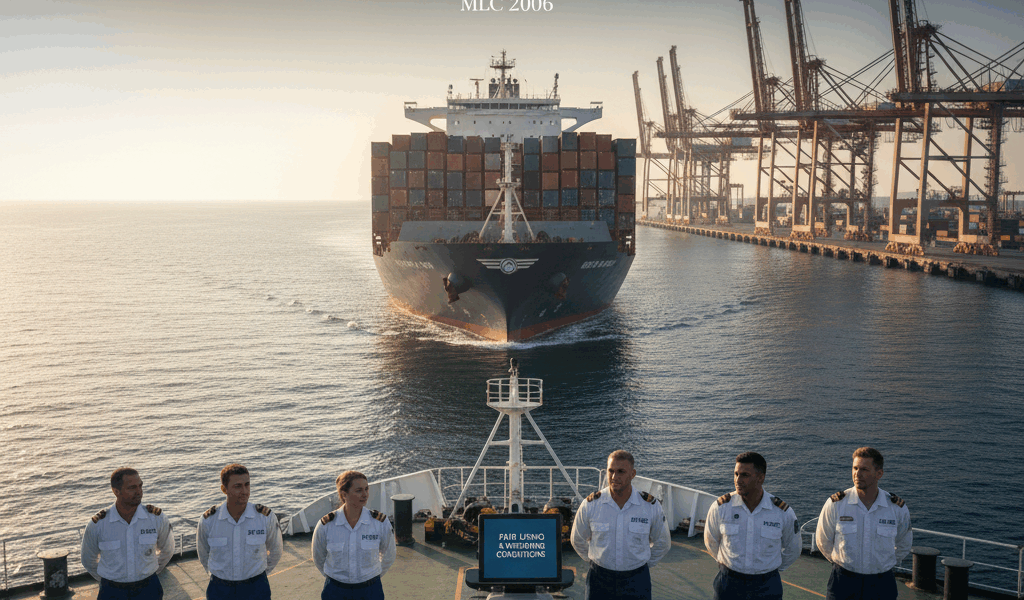
Maritime Labour Convention compliance has gotten complicated with all the amendments, certificate requirements, and enforcement procedures flying around. As someone who’s tracked MLC 2006 since it entered force in 2013, I learned everything there is to know about what protections it actually provides and how to use them. Today, I will share it all with you.
Most seafarers have heard of MLC. Far fewer actually understand what protections it provides or how to access them. When disputes arise over unpaid wages, inadequate conditions, or contract violations, knowing the specifics can mean the difference between getting help and getting ignored.
What MLC Actually Covers
The convention establishes minimum standards across five areas: age requirements, medical fitness, training, recruitment, and working conditions. Every flag state that ratified MLC agrees to enforce these standards on vessels flying their flag.
Working conditions include specific requirements for hours of rest, wage payment, accommodation, food, and recreation. The convention sets maximum work hours at 14 hours in any 24-hour period and 72 hours in any seven-day period. Minimum rest is 10 hours in any 24-hour period, split into no more than two periods. Probably should have led with this section, honestly.
Employment agreements must be in writing. Seafarers should receive a copy before joining a vessel. The agreement must specify wages, duration, termination conditions, and health coverage. Verbal promises from recruiters dont count.
The Maritime Labour Certificate
Vessels over 500 gross tonnes engaged in international voyages must carry a Maritime Labour Certificate. This document confirms that the ship meets MLC requirements following inspection by the flag state or a recognized organization.
Accompanying the certificate is a Declaration of Maritime Labour Compliance. This two-part document describes how the shipowner implements MLC requirements in 14 specific areas, from wages to grievance procedures.
Both documents should be posted in a location accessible to crew. If you cant find them, that itself indicates a compliance problem worth raising. Thats what makes document visibility a useful first indicator of how serious an operator is about crew rights.
Port State Control
When a vessel visits a port, inspectors from that countrys maritime authority can verify MLC compliance. These port state control inspections check certificates, interview crew, and examine conditions aboard.
If inspectors find deficiencies, they can require corrections before the vessel sails. Serious violations — unpaid wages, inadequate food, or substandard accommodation — can result in vessel detention until resolved.
Seafarers can complain directly to port state inspectors during inspections. Some countries also accept complaints from crew members who have already departed the vessel. The Paris MOU, Tokyo MOU, and other regional port state control regimes maintain databases tracking vessel inspection histories.
Onboard Complaint Procedures
MLC requires every vessel to have documented procedures for handling crew complaints. These procedures should explain how to raise concerns, who reviews them, and how appeals work if initial responses dont resolve issues.
In practice, complaint procedures vary widely in effectiveness. Some operators genuinely investigate concerns. Others treat complaints as troublemaking. Knowing your rights under the documented procedure provides leverage even when actual enforcement is weak.
Repatriation Rights
One of MLCs most concrete protections covers repatriation. When a contract ends, when a seafarer is discharged for reasons not due to their own actions, or when the shipowner can no longer meet their obligations, the seafarer has a right to be returned home at the owners expense.
This provision matters when shipping companies collapse or vessels are abandoned. Flag state insurance requirements under MLC mean that funds should exist to repatriate crew even when operators become insolvent.
The P&I clubs (Protection and Indemnity insurance) often handle actual repatriation when operators fail. These organizations have practical experience arranging flights, visas, and interim support for stranded crew.
Wages and Financial Security
MLC requires regular wage payment in accordance with employment agreements. Flag states must have mechanisms for investigating wage complaints and helping seafarers recover unpaid amounts.
When joining a vessel, seafarers can designate allotments — portions of wages sent directly to family members or banks ashore. This protects income from being entirely dependent on the shipowners payment practices at voyage end.
The convention also requires financial security for contractual claims. If an operator fails to pay wages owed, flag state mechanisms should provide recovery options.
What You Should Actually Do
Knowing your rights matters less if you cant exercise them. Keep copies of your employment agreement, wage statements, and any written communications about conditions or disputes. Document problems with photos when possible.
International Transport Workers Federation (ITF) inspectors operate in many major ports. They assist seafarers with MLC-related issues and can intervene with ship operators and flag states.
The ITF also maintains a list of vessels with serious labor issues. Checking this list before signing on can help avoid problem vessels in the first place.