Cruise shipping has gotten complicated with all the environmental pressures and destination challenges flying around. As someone who’s followed the cruise industry’s evolution for years, I learned everything there is to know about its transformation. Today, I will share it all with you.
The Cruise Industry’s Transformation
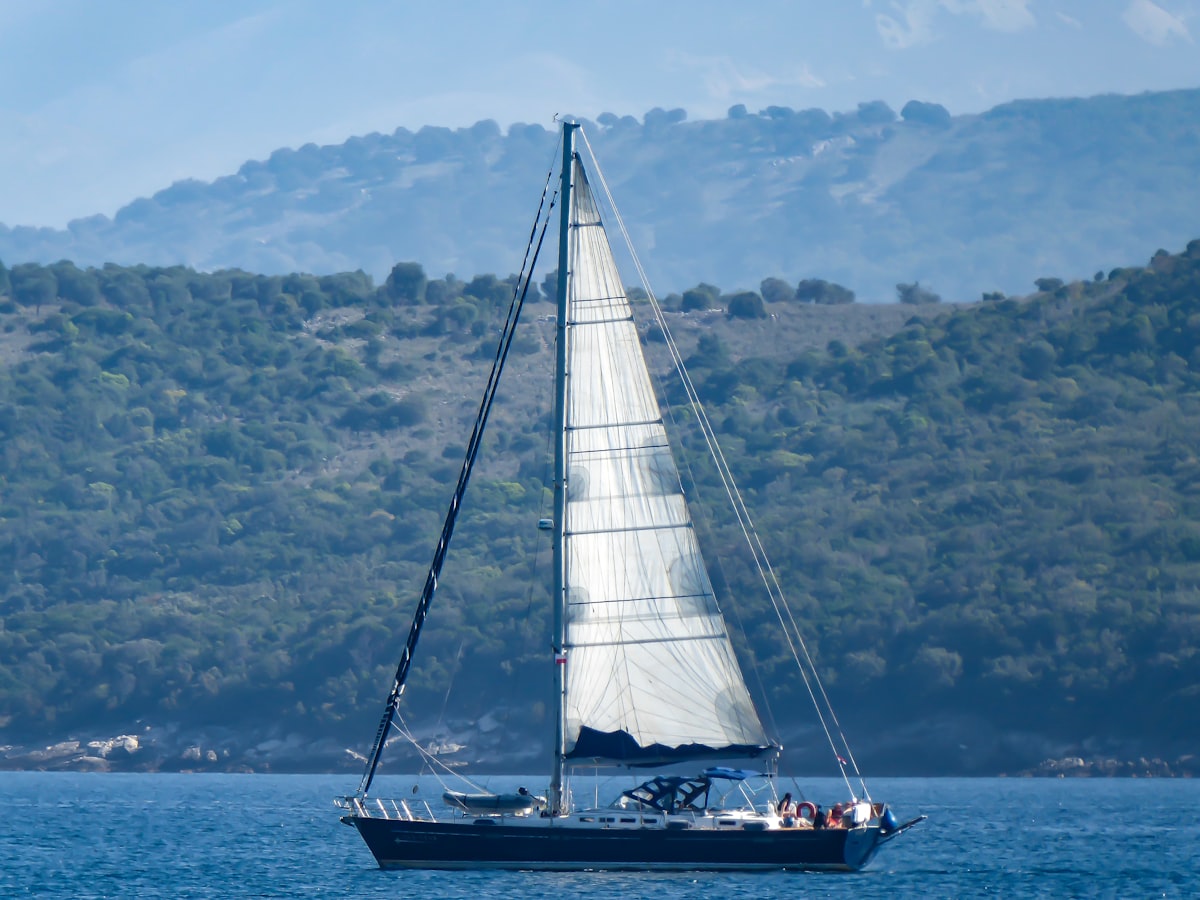
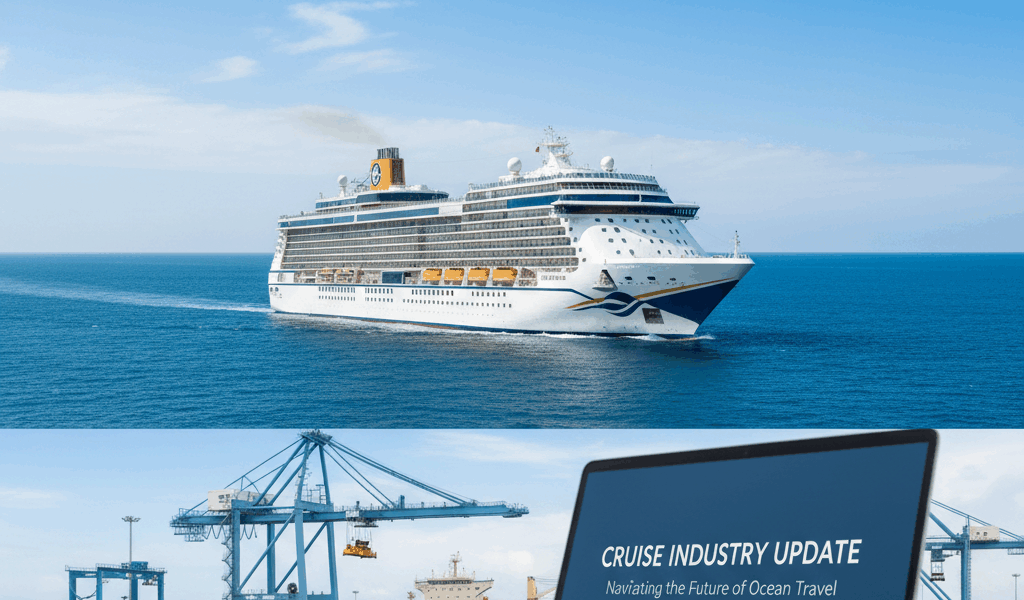
The cruise industry has emerged from the pandemic’s existential challenge with renewed vigor, though the sector looks meaningfully different than it did in 2019. Passenger volumes have recovered to pre-pandemic levels, new ships continue entering service, and the industry has accelerated its environmental commitments in response to both regulatory pressure and customer expectations.
Capacity and Demand
Probably should have led with this section, honestly. Major cruise lines continued building during the pandemic pause, betting that demand would return. That bet has paid off—occupancy rates have recovered, and new-build vessels are filling with passengers willing to pay premium fares for updated amenities and experiences.
The newbuild pipeline remains robust. Royal Caribbean, Carnival, MSC, and Norwegian all have multiple vessels under construction, with deliveries scheduled through the end of the decade. These ships feature increasingly sophisticated entertainment, dining, and accommodation options.
Environmental Transition
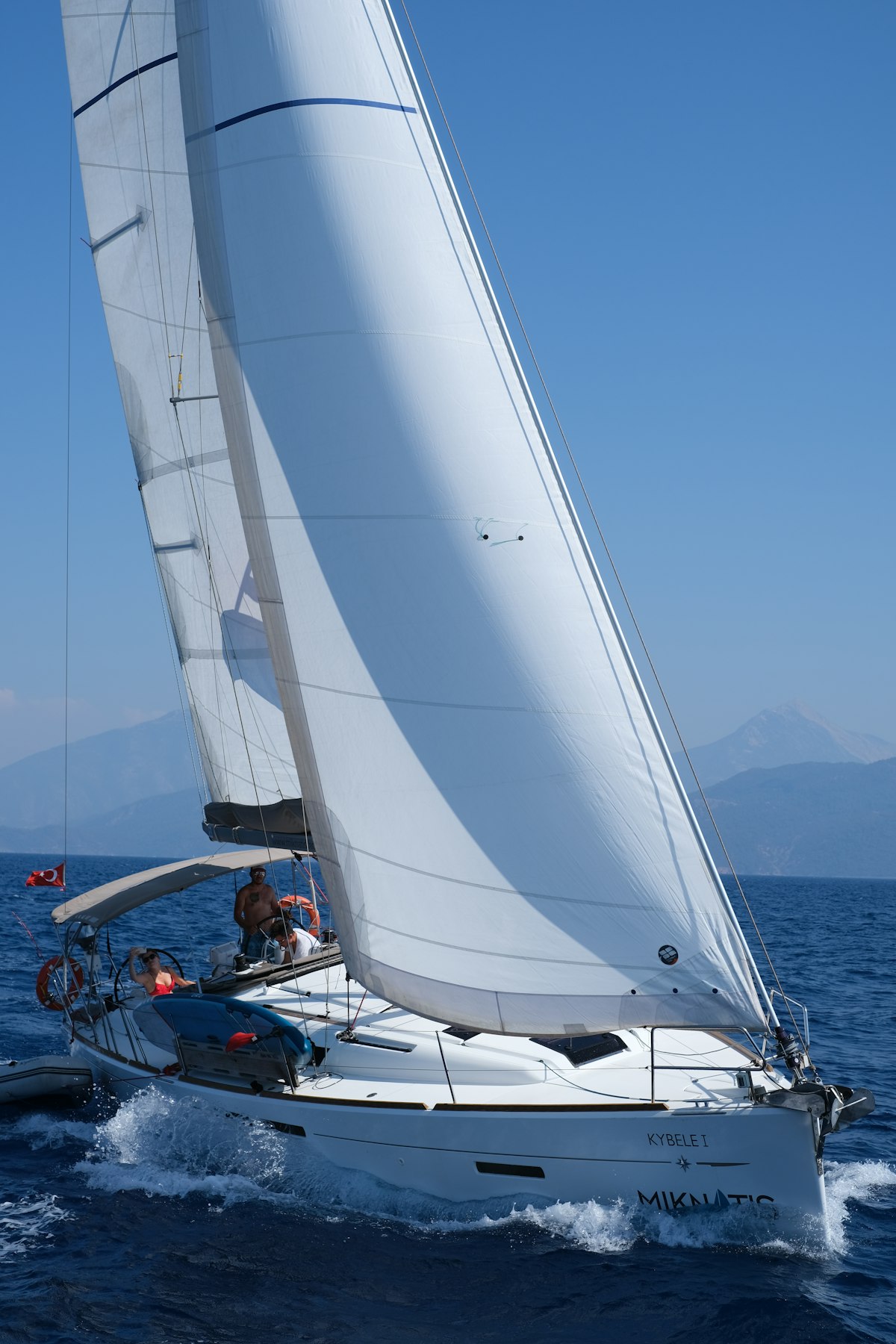
LNG-fueled cruise ships have become mainstream, with dozens now in service or on order. The fuel switch addresses sulfur and particulate emissions while reducing greenhouse gases compared to conventional fuel, though the industry acknowledges further progress is needed.
That’s what makes the cruise industry’s environmental push so significant. Shore power connections are expanding at major cruise ports, allowing ships to cut emissions at berth. European and California regulations mandate shore power use where available, driving infrastructure investment.
Some operators are exploring even cleaner options. Fuel cell technology, methanol propulsion, and even sail-assist concepts are under development, though commercial application remains years away for most technologies.
Destination Challenges
Popular cruise destinations are implementing measures to manage tourist volumes. Venice has banned large cruise ships from the historic center. Barcelona, Dubrovnik, and other Mediterranean ports have imposed capacity limits or added surcharges. Alaska and Caribbean destinations face similar pressures.
The industry is responding by diversifying itineraries, developing private island destinations, and working with port communities to manage impacts. Expedition cruising to less-visited regions has grown, though smaller vessels limit economies of scale.
Market Evolution
The cruise market continues to segment, with operators targeting everything from budget-conscious families to ultra-luxury travelers seeking expedition experiences. This differentiation allows companies to optimize pricing and experiences for specific customer segments.
Asian markets, particularly China, represent long-term growth opportunities, though development has been slower than pre-pandemic projections suggested. As infrastructure and familiarity grow, Asia could eventually rival North America as a source market for cruise passengers.