Container shipping has gotten complicated with all the capacity management and alliance dynamics flying around. As someone who’s tracked this sector through extreme volatility, I learned everything there is to know about where the container market stands now. Today, I will share it all with you.
Container Shipping Market Analysis

Container shipping—the system that moves manufactured goods in standardized steel boxes—continues adapting to post-pandemic realities. The extraordinary profitability of 2021-2022 has faded, replaced by market conditions that demand operational efficiency and strategic positioning.
Rate Normalization
Probably should have led with this section, honestly. Freight rates have returned to levels more consistent with long-term averages, though regional variations persist. Asia-Europe and Transpacific rates remain the benchmark trades, with carriers adjusting capacity to maintain some rate stability.
The Red Sea disruptions provided temporary rate support as longer routings reduced effective capacity. Whether this effect persists depends on security developments that remain uncertain.
Capacity Management

The industry faces significant capacity additions from vessels ordered during the boom period. Managing this influx while demand growth moderates requires careful coordination—blank sailings, slow steaming, and in some cases early scrapping of older vessels.
That’s what makes alliance dynamics so important. Alliance structures provide mechanisms for capacity management, though antitrust authorities watch closely for coordination that crosses into price-fixing. The restructuring of major alliances adds uncertainty about how capacity management will evolve.
Vessel Evolution
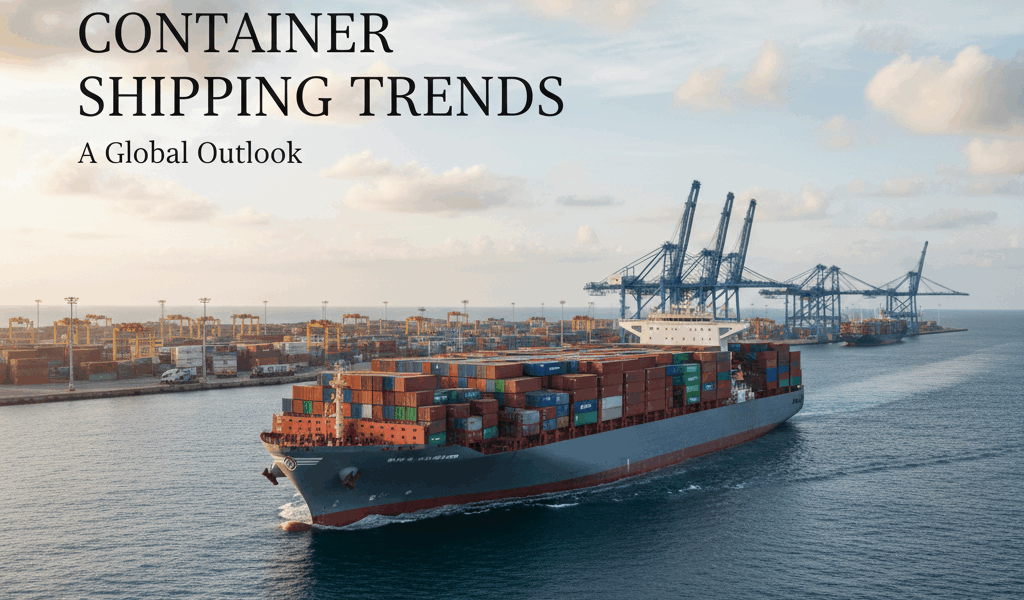
New container ships continue growing larger, with 24,000 TEU vessels now common on Asia-Europe services. These mega-ships offer excellent unit costs but require deep-water ports and sophisticated handling equipment, concentrating traffic at hub ports.
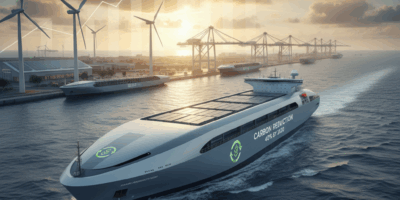
Dual-fuel capability has become standard for newbuilds, with most large container ships on order able to burn LNG or methanol alongside conventional fuel. This adds cost but provides regulatory compliance flexibility and may become commercially necessary as customers increasingly demand low-carbon transport options.
Shipper Relationships
The pandemic experience—when shippers faced rates multiplied ten-fold and struggled to secure space—has reshaped buyer-seller relationships. Shippers are diversifying carrier relationships, investing in logistics capabilities, and in some cases considering vertical integration.
Long-term contracts have gained favor among shippers seeking rate predictability, though contract terms have become more sophisticated with mechanisms addressing volume commitments and rate adjustments.
Digital Transformation
Container shipping continues its gradual digital transformation. Electronic documentation, track-and-trace capabilities, and booking platforms are becoming standard. The inefficiencies that characterized container shipping—lost containers, documentation delays, poor visibility—are slowly yielding to technology investment.
Whether this transformation accelerates or continues at measured pace depends on industry willingness to collaborate on standards and invest in capabilities that benefit the broader supply chain.