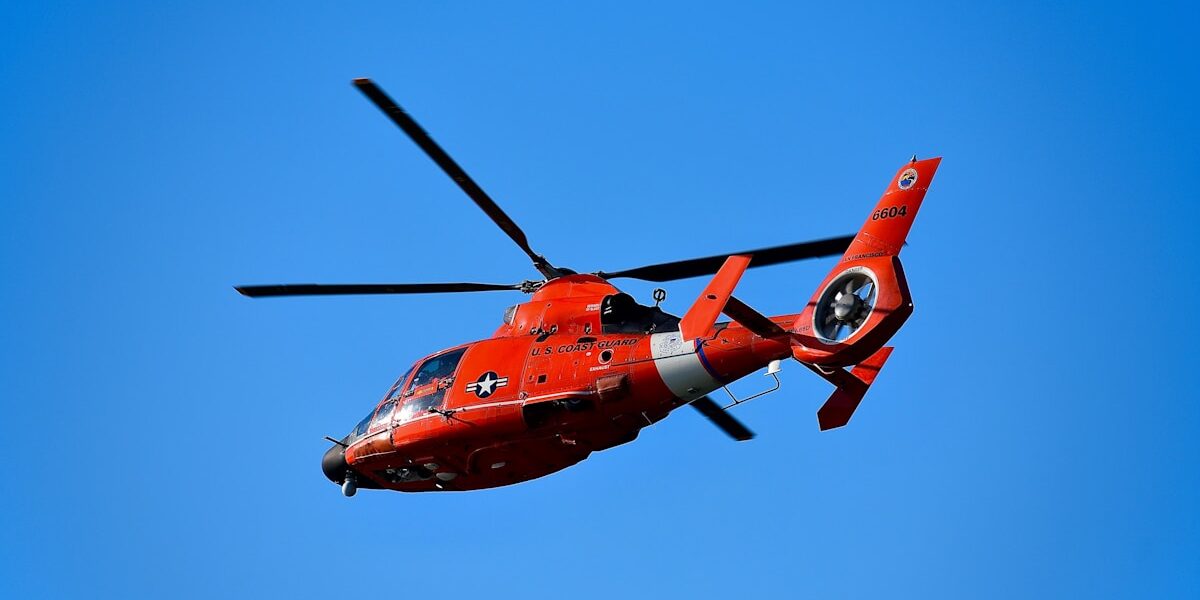
When a ship sinks in 30-foot seas or a helicopter goes down miles from shore, Coast Guard rescue swimmers deploy into conditions that would kill most people. These elite specialists combine the physical abilities of special operations forces with the medical skills of paramedics, forming the last line of rescue when all other options fail.
Who Are Coast Guard Rescue Swimmers?
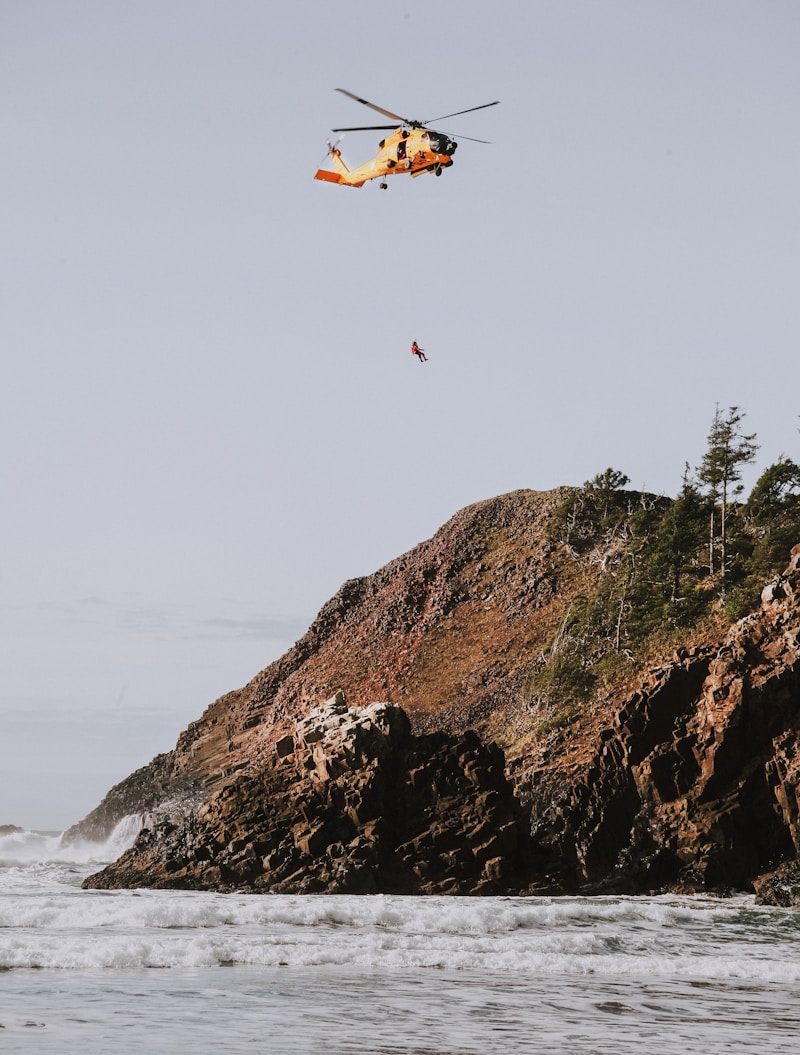
Aviation Survival Technicians (ASTs), commonly called rescue swimmers, are the Coast Guard’s watermen who jump from helicopters into dangerous conditions to save lives. They’re the person on the end of the cable when survivors can’t help themselves—pulling them from the water, climbing onto sinking vessels, or swimming into caves to reach stranded kayakers.
The Coast Guard maintains approximately 340 active rescue swimmers stationed at 26 air stations throughout the United States. Each swimmer is qualified as:
- Emergency Medical Technician (EMT)
- Aircrew member
- Search and rescue specialist
- Advanced open water rescue technician
The Making of a Rescue Swimmer
Selection Requirements
Candidates must first complete Coast Guard basic training, then meet strict prerequisites:
- Outstanding physical fitness (see standards below)
- Strong swimming background
- No disqualifying medical conditions
- Commitment to a demanding career
AST “A” School: 24 Weeks of Intensity
The Aviation Survival Technician A School at Aviation Technical Training Center Elizabeth City, North Carolina produces approximately 30-40 graduates per year from classes that often see 50%+ attrition rates.
Phase 1: Physical Training and Water Competency (Weeks 1-4)
The first phase breaks down and rebuilds swimming technique while establishing baseline fitness. Students complete:
- Daily pool sessions of 2-4 hours
- Distance swims up to 1.5 miles
- Underwater breath-hold training
- Rescue swimming fundamentals
- Intense calisthenics and running
Phase 2: Emergency Medical Training (Weeks 5-12)
Students complete National Registry EMT certification, learning to provide medical care in austere environments where advanced help may be hours away.
Phase 3: Rescue Operations (Weeks 13-20)
The heart of training covers helicopter operations, hoist procedures, survivor recovery techniques, and decision-making under pressure. Students practice in pools, open water, and eventually from actual helicopters.
Phase 4: Final Evaluations (Weeks 21-24)
Comprehensive testing of all skills in realistic scenarios. Students must demonstrate proficiency in every aspect of the rescue swimmer role.
Physical Standards
Entry requirements include:
- 500-yard swim in 12 minutes or less
- Complete underwater swim of 25 yards
- Tread water for 10 minutes
- 42 push-ups in 2 minutes
- 50 sit-ups in 2 minutes
- 6 pull-ups (minimum)
- 1.5-mile run in 12 minutes
Graduating swimmers far exceed these minimums. The physical demands of the job—swimming in cold water for extended periods, hauling survivors, fighting currents—require exceptional conditioning.
The Equipment
Rescue swimmers deploy with specialized equipment designed for maritime rescue:
- Wetsuit or drysuit: Protection from hypothermia in cold water
- Rescue harness: Connects to the helicopter hoist
- Fins and mask: Essential swimming equipment
- Radio: Communication with the helicopter crew
- Knife and cutting tools: For entanglement situations
- Signal devices: Flares, strobes, and markers
- Medical kit: Trauma supplies for immediate care
Helicopter Operations
Rescue swimmers work primarily with two helicopter types:
MH-60 Jayhawk: The workhorse of Coast Guard aviation, capable of flying 300 miles offshore, hovering in extreme conditions, and hoisting multiple survivors.
MH-65 Dolphin: Shorter range but highly maneuverable, often used for nearshore rescues and harbor operations.
A typical helicopter crew includes two pilots, a flight mechanic (who operates the hoist), and the rescue swimmer. The swimmer deploys on the cable or free-falls into the water depending on conditions and tactical requirements.
Heroic Rescues
Hurricane Katrina (2005)
Coast Guard helicopters rescued over 33,000 people in the aftermath of Katrina—the largest rescue operation in Coast Guard history. Rescue swimmers spent days pulling survivors from rooftops, often returning to the same flooded neighborhoods multiple times in a single shift.
El Faro Cargo Ship (2015)
When the cargo ship El Faro sank in Hurricane Joaquin, rescue swimmers searched the debris field in 20-foot seas hoping to find survivors among the 33 souls aboard. Though none were found alive, the swimmers’ willingness to deploy in those conditions exemplified their commitment.
Fishing Vessel Princess Hawaii (2013)
AST2 Travis Obdam deployed into 30-foot seas 260 miles north of Oahu to rescue a fisherman from the sinking Princess Hawaii. After the helicopter’s hoist malfunctioned, Obdam spent over an hour in the water with the survivor before a second helicopter could complete the rescue.
Day-to-Day Operations
Not every rescue involves hurricanes and sinking ships. Rescue swimmers regularly respond to:
- Capsized recreational boats
- Medical evacuations from vessels
- Stranded boaters and swimmers
- Water emergencies near shore
- Support for law enforcement operations
Swimmers maintain a duty rotation, remaining on standby at the air station ready to launch within 30 minutes. When the alarm sounds, they’re airborne and heading toward someone’s worst day.
Career Path
Rescue swimmers can pursue various career paths within the Coast Guard:
- Advancement through enlisted ranks to Chief or Master Chief
- Instructor positions at the schoolhouse
- Specialized units like the National Strike Force
- Officer commissioning programs
Many swimmers also transition to civilian careers as paramedics, firefighters, or commercial helicopter rescue operations after their Coast Guard service.
The Swimmer’s Creed
Coast Guard rescue swimmers live by a simple creed: “So Others May Live.” When they deploy from that helicopter into dark, churning water, they do so knowing they’re likely the only chance that person in the water has. It’s a responsibility they’ve trained years to fulfill, and they take it seriously every single time.
For those caught in the worst circumstances the sea can offer, the sight of an orange-suited swimmer descending from a helicopter represents hope—the promise that someone will risk everything to bring them home.