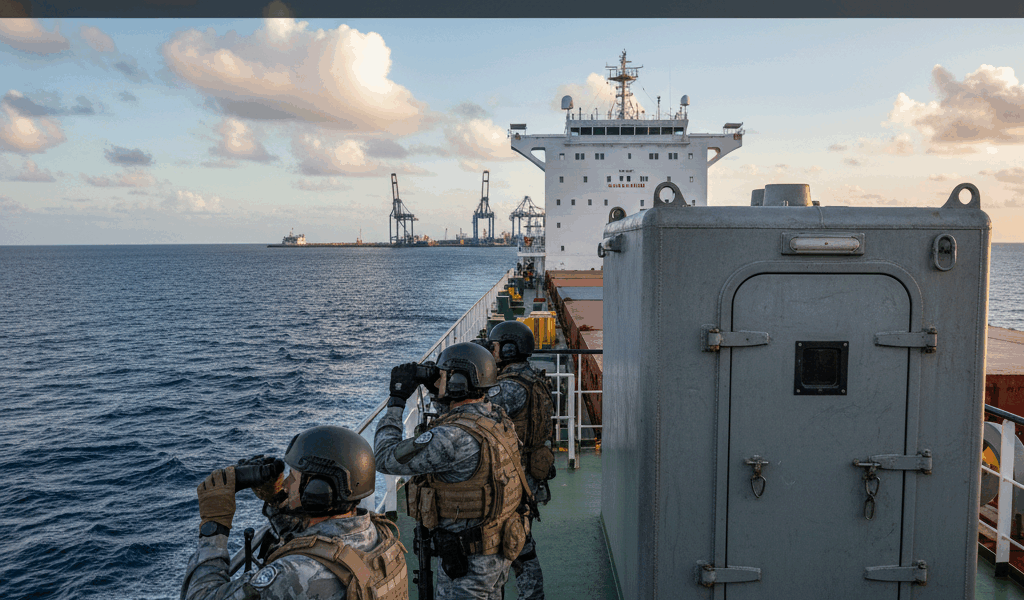
Maritime anti-piracy measures have gotten complicated with all the armed guard regulations, citadel designs, and physical security options flying around. As someone who’s tracked ship defense practices since the Somali piracy crisis, I learned everything there is to know about how vessels actually protect themselves. Today, I will share it all with you.
The Evolution of Maritime Security
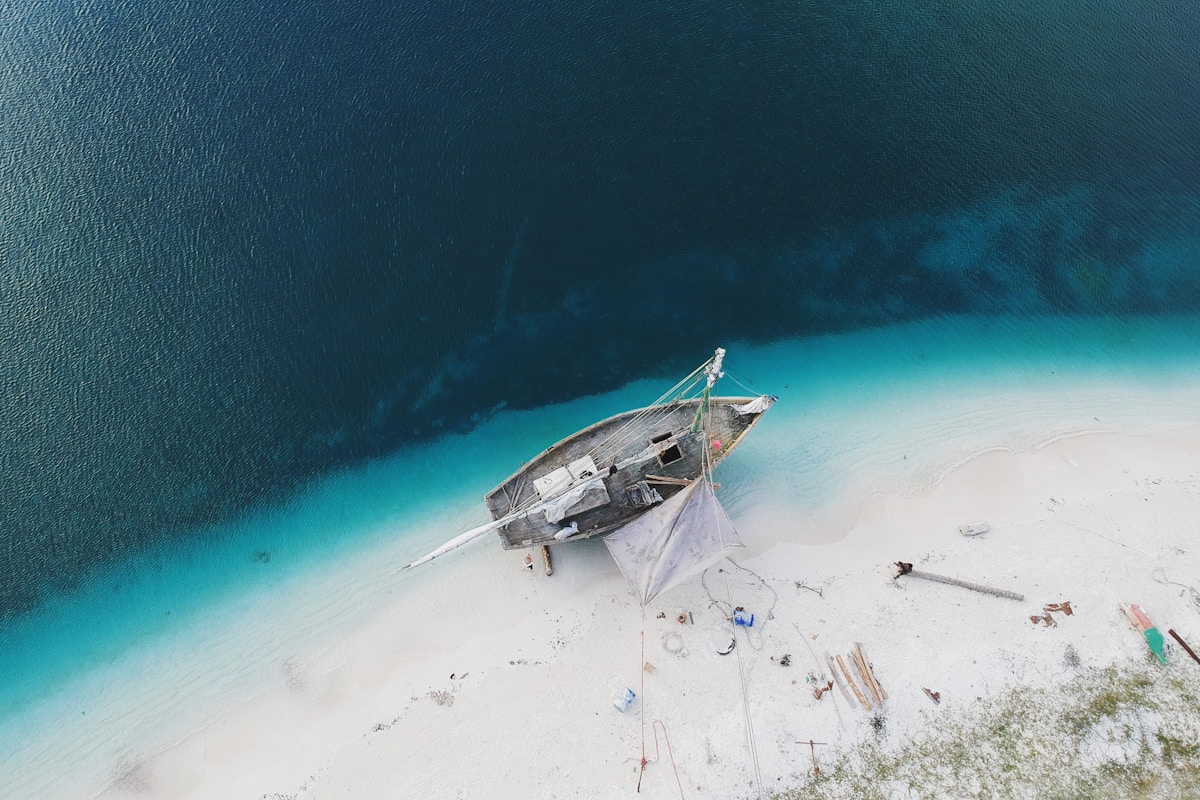
When Somali pirates seized the Maersk Alabama in 2009, the event captured global attention and accelerated a transformation in maritime security. What had been a relatively obscure concern for ship operators became front-page news, and the shipping industrys approach to protecting vessels and crew changed fundamentally.
Today, ships transiting high-risk waters employ multiple layers of protection, from physical barriers to armed security teams. Probably should have led with the key statistic: no commercial vessel with an armed security team aboard has been successfully hijacked. That fact drives everything else.
Armed Security Teams: The Controversial Solution
The deployment of Privately Contracted Armed Security Personnel (PCASP) represents the most significant change in maritime security over the past fifteen years. These teams, typically comprising former military personnel, embark on vessels transiting piracy zones and provide armed response capability.
Pirates, who typically approach in small skiffs and rely on speed and surprise, are deterred by trained personnel with weapons capable of engaging at range. Thats what makes the armed guard approach effective — it removes the easy-target calculus that piracy depends on.
How Armed Teams Operate
A typical security team consists of three to four personnel who embark before the vessel enters a designated High Risk Area (HRA) and disembark after transit. During passage, team members maintain watches, monitoring for approaching vessels and coordinating with the bridge team.
Rules of engagement govern when and how force may be used. Teams employ a graduated response:
- Detection and tracking — Radar and visual observation of approaching craft
- Warning signals — Radio calls, flares, and signal lights
- Warning shots — Fired away from approaching vessels to demonstrate capability
- Disabling fire — Aimed at engines or steering of confirmed hostile craft
- Direct engagement — Only when attack is imminent and other measures have failed
Most encounters end well before the final stages. Pirates seeking easy targets typically break off when they recognize an armed response capability.
Physical Protection Measures
Armed teams are expensive and not always available. Many vessels rely on physical protection measures that make boarding difficult or impossible.
Razor Wire and Anti-Climb Barriers
Coiled razor wire along deck edges and around accommodation areas creates obstacles for boarders. Properly installed, it forces attackers to expose themselves while attempting to cut through, buying time for crew to implement emergency procedures.
Water Cannons and Spray Systems
High-pressure water can capsize small boats and deter boarding attempts. Ships may install fixed spray systems that create a curtain of water around the vessels perimeter, making it difficult for small craft to approach and for attackers to climb aboard.
Electrified Barriers and Acoustic Devices
Some vessels install electrified fencing systems that deliver non-lethal shocks to anyone attempting to climb over deck rails. Long Range Acoustic Devices (LRAD) can project warning messages and painful noise levels at approaching vessels.
The Citadel: Last Resort Protection
Perhaps the most important passive security measure is the citadel — a hardened compartment where crew can shelter if pirates succeed in boarding. Properly designed citadels provide:
- Ballistic protection against small arms fire
- Secure communications to contact naval forces
- Supplies for extended occupation
- Control over ships propulsion to prevent pirates from taking the vessel
The citadel concept proved its worth repeatedly during the Somali piracy crisis. When crews successfully reached their citadel and disabled the ships engines, pirates found themselves aboard a drifting vessel with military forces responding. Unable to navigate to port or negotiate from strength, they often abandoned the ship.
Navigational Security
Beyond physical measures, vessels can reduce risk through careful passage planning and navigation practices.
Speed is security. Most pirate craft cannot catch a vessel making 18 knots or more. Ships capable of high sustained speeds are inherently less vulnerable than slower vessels.
Distance from shore matters in regions where pirates operate from coastal bases. Routing further offshore increases transit time but reduces vulnerability to attack.
Convoy operations coordinate multiple vessels transiting together, with naval escort when available. This approach was particularly effective in the Gulf of Aden, where naval forces established a Maritime Security Corridor.
Cost-Benefit Realities
Maritime security represents a significant cost for ship operators. Armed teams may cost $30,000 to $50,000 per transit. Physical security modifications require capital investment and ongoing maintenance. Routing changes may add days to voyages.
However, these costs pale against successful attack consequences. Ransom payments have exceeded $10 million in some cases. Crew trauma, vessel damage, cargo loss, and reputation impacts multiply the true cost of piracy.
For vessels transiting known high-risk areas, investment in comprehensive security measures is essential for protecting seafarer lives and all stakeholder interests in the maritime supply chain.




Stay in the loop
Get the latest maritimematterstoday updates delivered to your inbox.