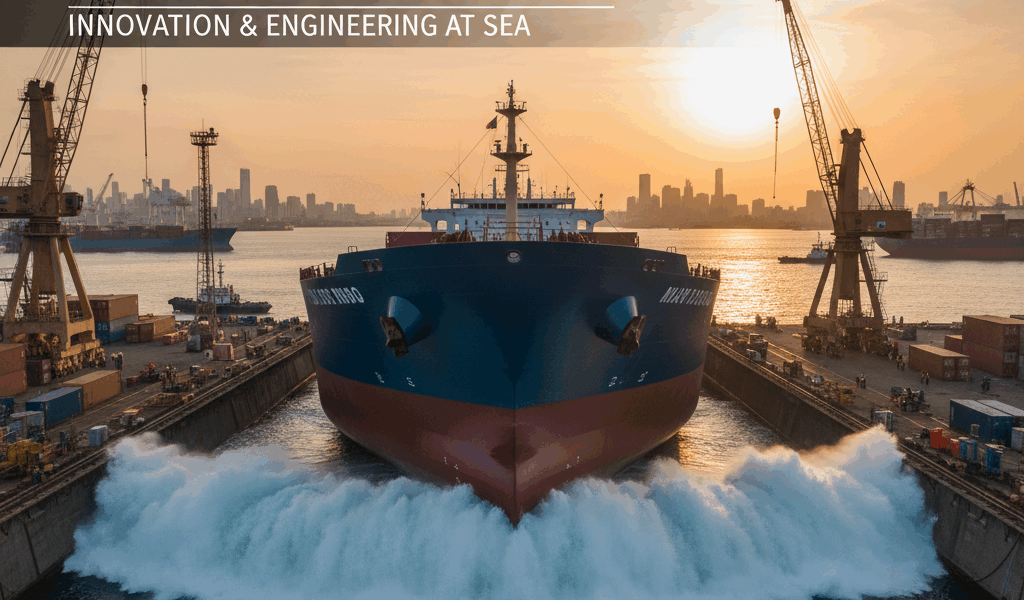
Shipbuilding markets have gotten complicated with all the orderbook dynamics and technology demands flying around. As someone who’s tracked yard capacity and contracting activity for years, I learned everything there is to know about the current state of global shipbuilding. Today, I will share it all with you.
Global Orderbook Trends

The global shipbuilding industry continues to navigate shifting demand patterns, evolving technology requirements, and competitive pressures that favor yards capable of delivering complex vessels efficiently. Current orderbook levels and yard capacity allocation offer insights into where maritime is heading.
Yard Capacity and Allocation
Probably should have led with this section, honestly. South Korean and Chinese yards dominate large vessel construction, with Japanese builders maintaining significant positions in certain segments. The concentration of advanced shipbuilding in Asia reflects decades of investment, government support, and accumulated expertise that European and other builders cannot easily replicate.
Korean yards excel at high-value vessels—LNG carriers, large container ships, and complex offshore units. Chinese yards have improved quality while maintaining cost advantages, capturing increasing market share across most segments. Japanese builders focus on efficient production of proven designs, competing on quality and reliability.
Contract Activity

Recent contracting has been dominated by container ships and LNG carriers, reflecting strong demand in these segments during the post-pandemic period. Tanker and bulk carrier ordering has picked up from historic lows, as aging fleet profiles create eventual replacement demand.
That’s what makes the current market so notable. A significant portion of new contracts specify alternative fuel capability. This represents a fundamental shift in buyer expectations, with owners increasingly unwilling to commit to conventional-fueled vessels that may face commercial challenges as regulations tighten.
Technology Demands
Shipyards face pressure to deliver increasingly sophisticated vessels. Dual-fuel propulsion systems, advanced emissions treatment, and enhanced automation all add complexity to construction. Yards that can manage this complexity while maintaining schedule and cost discipline command premium positions in the market.
The digital shipyard concept—using 3D modeling, automated production, and integrated supply chain management—continues to advance. Leading yards are reducing build times and improving quality through these technologies, creating competitive advantages that newer entrants struggle to match.
Industry Outlook
Shipbuilding capacity is effectively fully booked through 2027 for most vessel types, with some segments showing constraints extending further. This creates challenges for owners seeking to renew fleets and opportunities for yards to improve margins on new contracts.
The industry’s long-term health depends on sustaining investment in capability while navigating the transition to low-carbon vessel production. Yards that successfully adapt to building the clean ships of the future will thrive; those that cannot may find themselves marginalized in an evolving market.




Stay in the loop
Get the latest maritimematterstoday updates delivered to your inbox.